
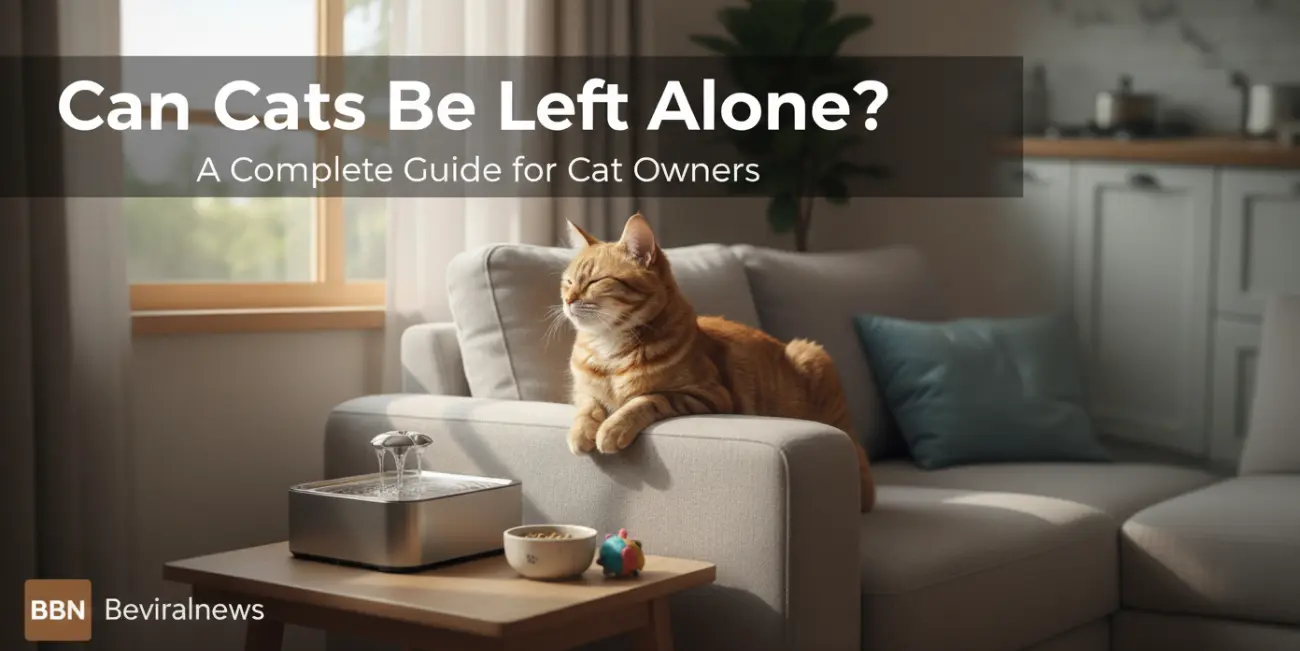
Can cats be left alone? It’s a common question for new pet owners. The short answer: most healthy adult cats can be left alone for 24–48 hours with proper preparation. However, the ideal duration depends on your cat’s age, health, and personality. With thoughtful planning, you can ensure your feline stays safe, comfortable, and content even when you’re away.
Understanding Your Cat’s Independence
Cats are famously independent, which often makes them easier to leave alone than dogs. While dogs are pack animals that thrive on constant companionship, cats are solitary hunters by nature. That doesn’t mean they don’t crave affection or notice your absence—they do. Domestic cats have evolved alongside humans for thousands of years, forming emotional bonds and relying on us for security and stimulation.
The Science Behind Feline Independence
Research shows cats form secure attachments to their owners, much like children to caregivers. A study from Oregon State University found that cats experience stress when separated from their guardians. So, while they appear self-sufficient, they still value companionship and consistency.
How Long Can Cats Be Left Alone?
The safe duration varies by age and health.
Adult Cats (1–7 years)
Healthy adult cats can manage 24–48 hours alone if their environment is prepared with food, water, and clean litter boxes.
Kittens (Under 6 months)
Kittens should not be left alone for more than 4–6 hours. They need frequent feeding, playtime, and supervision for safety and social development.
Senior Cats (7+ years)
Older cats should not be left alone longer than 24 hours, especially if they require medication or monitoring. Seniors may experience health issues or anxiety more easily.
Cats with Health Conditions
Cats with chronic illnesses (diabetes, kidney disease, heart problems) need daily care and should never be left unsupervised for long. Always arrange for a pet sitter or vet technician to check on them.
Preparing Your Cat for Alone Time
Leaving your cat alone isn’t just about food and water. Preparation ensures their health, safety, and happiness while you’re away.
1. Food and Water
Provide multiple water sources to prevent dehydration—cats often prefer fresh, running water, so consider a cat water fountain.
Use automatic feeders to dispense food at regular times. Avoid leaving a heap of food out, as it can spoil or cause overeating.
2. Litter Box Setup
Use one litter box per cat, plus one extra. For a 48-hour absence, two clean boxes are ideal. Scoop thoroughly before you leave and use quality, clumping litter to control odor. A dirty box can cause cats to eliminate elsewhere or even hold their urine, leading to urinary tract issues.
3. Environmental Enrichment
Cats need stimulation. Leave interactive toys, puzzle feeders, and scratching posts available. Rotate toys to keep them interesting, and consider leaving soft music, a podcast, or the TV on low volume for company.
Window perches are perfect “cat TV” spots for watching birds or outdoor activity—just ensure windows are secure.
4. Safety Check
Before leaving, do a home safety sweep:
- Move toxic plants (lilies, pothos, aloe, etc.) out of reach
- Remove small or string-like objects
- Close toilet lids and secure hazardous areas
- Lock windows and balconies
- Unplug unnecessary electronics
5. Climate Control
Maintain a comfortable temperature—65–70°F (18–21°C) is ideal. Use fans or AC in summer and heating in winter. Avoid drastic changes in temperature while you’re gone.
Signs Your Cat Struggles When Left Alone
Some cats handle solitude poorly. Watch for signs of separation anxiety:
- Excessive meowing or crying upon your return
- Destructive behavior (scratching, knocking things over)
- Refusal to eat or overeating
- Litter box accidents
- Over-grooming or bald spots
- Aggression or extreme clinginess
- Hiding for long periods
If these behaviors persist, consult your vet or a feline behaviorist. They can recommend strategies or mild anti-anxiety treatments.
Alternatives for Extended Absences
For absences longer than 48 hours, leaving your cat alone is not recommended. Instead, explore one of these options:
1. Pet Sitters
Hiring a professional pet sitter or asking a trusted friend to visit daily is the best option. They can feed your cat, refresh water, scoop litter boxes, and offer companionship.
When choosing a sitter, ensure they are:
- Experienced with cats
- Bonded and insured
- Reliable and communicative (daily photo updates help!)
- Trained to recognize signs of distress or illness
2. Boarding Facilities
Cat boarding facilities (or “catteries”) offer supervised care, but some cats find them stressful. Visit ahead of time to check cleanliness, staff experience, and quiet, individual accommodations. Bring familiar bedding or toys to ease the transition.
3. Friends or Family
Leaving your cat with a familiar person or having someone stay at your home can work well. However, moving a cat to a new environment can cause stress, so home visits are usually better than relocation.
4. Smart Technology
Tech can make monitoring easier:
- Pet cameras with two-way audio
- Automatic feeders and smart litter boxes
- Remote-controlled toys or treat dispensers
While gadgets can’t replace human interaction, they provide reassurance and help maintain your cat’s routine.
Building Your Cat’s Comfort With Alone Time
Cats can be trained to tolerate solitude through gradual exposure and routine.
Start Small
Leave for short periods, then gradually extend the time. Your cat will learn that you always come back.
Create Positive Associations
Give your cat a special treat or toy when you leave—something they only get during your absence. This builds a positive connection to your departures.
Stick to Routines
Cats thrive on predictability. Keep feeding, play, and bedtime schedules consistent, even on busy days.
Avoid Emotional Goodbyes
Keep departures and arrivals calm. Dramatic goodbyes can increase anxiety, so leave quietly and confidently.
Provide Vertical Space
Install cat trees, shelves, or high perches. Vertical territory provides a sense of control and reduces stress when alone.
The Two-Cat Solution
Adopting a second cat can help prevent loneliness—companionship reduces boredom and anxiety. Many bonded pairs groom and entertain each other when their owner is away.
However, this isn’t a guaranteed fix. Some cats prefer solitude and may become stressed if forced to share space. If considering another cat, ensure proper introductions and monitor their relationship carefully. Compatibility matters more than companionship for its own sake.
When It’s Unsafe to Leave a Cat Alone
Certain situations require constant supervision or professional care:
- Post-surgery recovery
- Illness or injury needing medication
- Kittens under 3–4 months
- Cats with severe separation anxiety
- Newly adopted cats still adjusting
- Trips longer than 48 hours
In these cases, arrange for a sitter, boarding, or veterinary observation. Never risk your cat’s safety by leaving them unattended in vulnerable conditions.
Real-Life Example: Sarah and Luna
Sarah, a consultant from Seattle, was anxious about leaving her cat, Luna, alone during business trips. After advice from her vet, she installed two pet cameras, set up automatic feeders, and asked a neighbor to check in daily. Later, she adopted a second cat, Stella, as a companion.
“The difference was incredible,” Sarah says. “The cameras showed them playing and napping together. When I came home, they were relaxed, not distressed. Now I can travel guilt-free, knowing they’re content and cared for.”
Her experience shows that with planning and the right tools, cats can remain happy and stress-free even when their owner travels.
Frequently Asked Questions (FAQs)
Can I leave my cat alone for a week?
No. Cats need daily interaction and monitoring. Arrange for a sitter or boarding if you’ll be gone longer than 48 hours.
Do cats get sad when left alone?
Yes. While they’re independent, cats can experience loneliness and depression if isolated too often or too long.
Is it cruel to leave a cat alone overnight?
Not at all—most healthy adult cats handle short overnight absences fine if their needs are met.
How can I tell if my cat has separation anxiety?
Look for excessive vocalization, destructive behavior, changes in eating, or clinginess. Consult your vet if you notice these signs.
Can cats be left alone for 3 days?
Three days without supervision is risky. Even with automatic feeders, litter, and water, accidents or illness can occur. Always arrange for a daily visit.
Do indoor cats need more attention?
Yes. Indoor cats lack outdoor stimulation and rely on you for enrichment and playtime. However, they live safer and longer lives than outdoor cats.
What’s the maximum time to leave a cat alone safely?
For a healthy adult cat, 48 hours is the absolute maximum—and only with preparation. Anything longer requires human check-ins.
Conclusion: Finding the Right Balance
Can cats be left alone? Yes—but responsibly. While cats are more self-sufficient than many pets, they still depend on you for emotional security and physical well-being. Understanding your cat’s personality, health, and comfort level is key.
Before leaving, ensure your cat has:
- Fresh food and water
- Multiple clean litter boxes
- Safe, enriched surroundings
- Comfortable temperature and lighting
- Access to familiar scents and sounds
For trips beyond 48 hours, arrange daily care through a sitter, family member, or boarding facility. And if you travel often, invest in automatic feeders, cameras, and enrichment tools to keep your cat stimulated and secure.
Every cat is unique—some thrive on solitude, others crave companionship. Pay attention to their cues and adjust accordingly. With proper planning, your feline friend will stay safe, healthy, and content—so you can travel or work with peace of mind.
Plan ahead, prepare smartly, and your cat will handle alone time like a pro.